By Ashley Cason
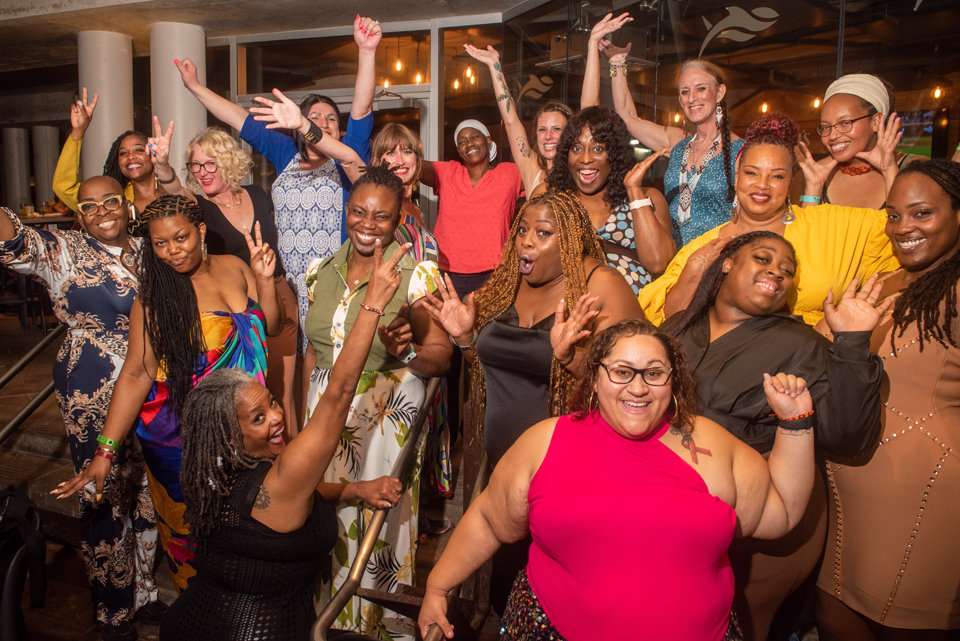
This year's United States Conference on HIV/AIDS (USCHA 2026) took place in Anaheim, CA, from September 17 – 20, 2026, under the banner United and Unbreakable: The HIV Movement at 45. The Well Project's team and community advisory board members again had a strong presence at the gathering, from facilitating workshops to one staffer's featured spot on the afternoon plenary stage. Read on for a perspective from our community of the US's largest HIV-related convening.
My time at USCHA is one that I will remember forever. From visiting booths in the exhibit hall and participating in presentations as both an attendee and a presenter to reconnecting with familiar faces and meeting new people, the experience was filled with joy, fellowship, laughter, and love.
One of the highlights of the conference was attending the "Healing-Centered Leadership" institute, presented by Masonia Traylor, founder of Lady BurgAndy (also a past member of The Well Project's community advisory board, which I am currently on); Marcus Stanley, MPH, MCHES®, founder of Cornerstone Strategy and Advisory; and Darnell Lewis, board chair at Community Access National Network in Louisiana. This session provided valuable education and insight into a leadership approach that prioritizes the whole person. It introduced a more thoughtful, compassionate, and intentional leadership style that could foster a healthier, more supportive, and empowering work environment within HIV organizations.
Throughout the session, I gained a deeper understanding of how culture, equity, and organizational learning are interconnected. An environment where employees feel heard, valued and appreciated motivates them to go above and beyond and thrive in their current roles. When organizations place overwhelming demands through heavy workloads and demanding tasks and assignments, they do not provide shared accountability or have any compassion for the stress that employees are feeling. The lack of emotional safety dispirits employees to flourish.
Implementing a healing-centered leadership approach in an organization can strengthen teams, which strengthens the whole organization. Employees will be empowered to build trust, grow, collaborate, and expand their skills when they are in an atmosphere where they feel physically and mentally safe. Essentially, empowering the employees, the people who work within HIV organizations, also strengthens our collective efforts to address the HIV epidemic in our country.
During the breakout sessions, we were challenged to put the framework into practice by reflecting on thought-provoking questions. We were asked to think about our own roles and organizations and the ways we can adopt the healing-centered leadership style in our everyday work.
This session reminded me that leadership is more than managing people and meeting organizational goals. It is also about creating spaces where people feel safe enough to speak up and supported enough to grow. Effective communication, backed by compassion and understanding, is an integral element that fosters a secure, honest, empowering, and motivating workplace. Healing-centered leadership is not just about changing how we lead; it is about transforming how we care for the people who make this work possible.
More from The Well Project on the 2026 United States Conference on HIV/AIDS (USCHA 2026)
A Different View from the Conference This Year: A Recap from USCHA 2026
The Magic of the Exhibit Hall: A Recap from USCHA 2026
Supporting Trans Leadership in Cis-Led Organizations: A Recap from USCHA 2026
The Well Project at the US Conference on HIV/AIDS 2026