


I should preface this by saying we all make mistakes, myself included. Having said that, sometimes mistakes are unforced choices born of being ill-prepared or careless. A careless ally cannot be my ally. Sometimes we decide people are allies to our cause because of shared experience and we don't fully vet their motives and intentions or look past the shared experience into what kind of ally they are. Continue reading...
🔥 🔥 🔥 🔥 💯 💯💯💯
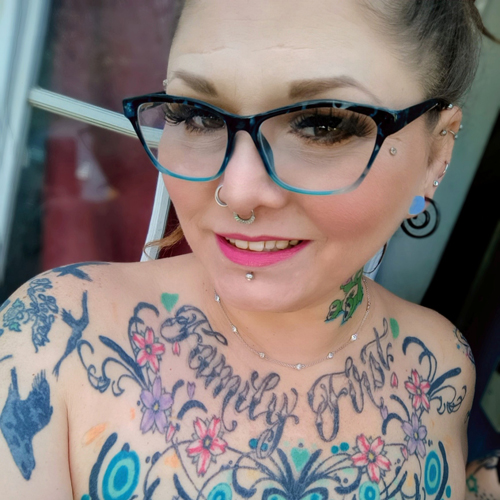
Sis… whew. I felt this one deep. Every word. ❤️🔥
The way you broke down the importance of intentional allyship hit me right in that place where past harm still leaves a bruise. Because when people use stigmatizing language — especially things like “full-blown AIDS” — it’s not just outdated. It’s violent. It’s careless. And it can reopen wounds most folks don’t even know we carry.
I had an experience once where someone who claimed to be my “ally” decided to stand up at an event I wasn’t even included in, tell my story without my permission, and sprinkle in words like “full-blown AIDS” like it was nothing. Then to watch everyone praise him for “supporting” me… meanwhile the harm landed squarely on my body. That was a trauma I had to sit with — and one I still work through.
So reading your piece reminded me why voices like yours matter so much. You’re naming the truth: allyship isn’t about speaking for us — it’s about standing with us. It’s about listening, learning, and dropping every harmful, sensationalized phrase that was never theirs to use in the first place.
Thank you for calling this out with so much clarity and care. Your words are needed, and you’re helping create a world where our stories are honored, not exploited. I’m grateful for you, sis. ❤️✨
Xo 🧁
Image
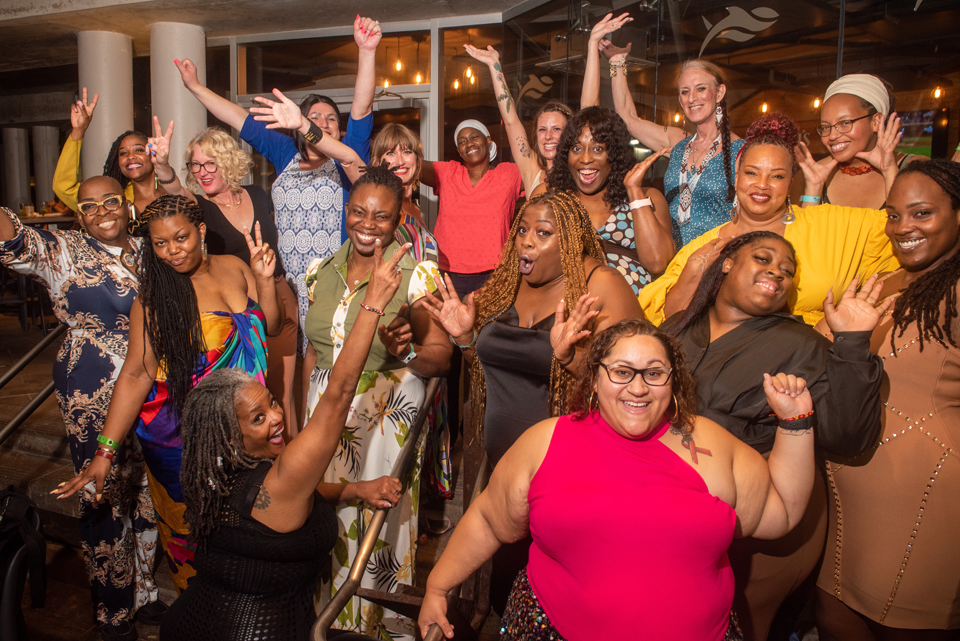
Become a Member
Join our community and become a member to find support and connect to other women living with HIV.
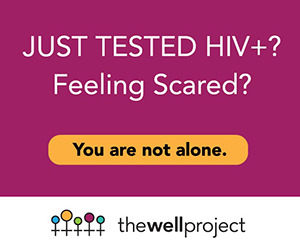
Did you just test HIV+?
Newly diagnosed with HIV and not sure what to do? You are not alone.
Do you get our newsletter?
¿Recibe nuestro boletín?
Sign up for our monthly Newsletter and get the latest info in your inbox.
Suscríbase a nuestro boletín mensual y reciba la información más reciente en su bandeja de entrada.
You Can Help!
Together, we can change the course of the HIV epidemic…one woman at a time!
Thank you.
The way my nerves started humming when you said someone told your story! That's happened to me and it sucks. ((especially the "praise for support"))
Thanks for your support and for using your voice. Be well and blessed sis!