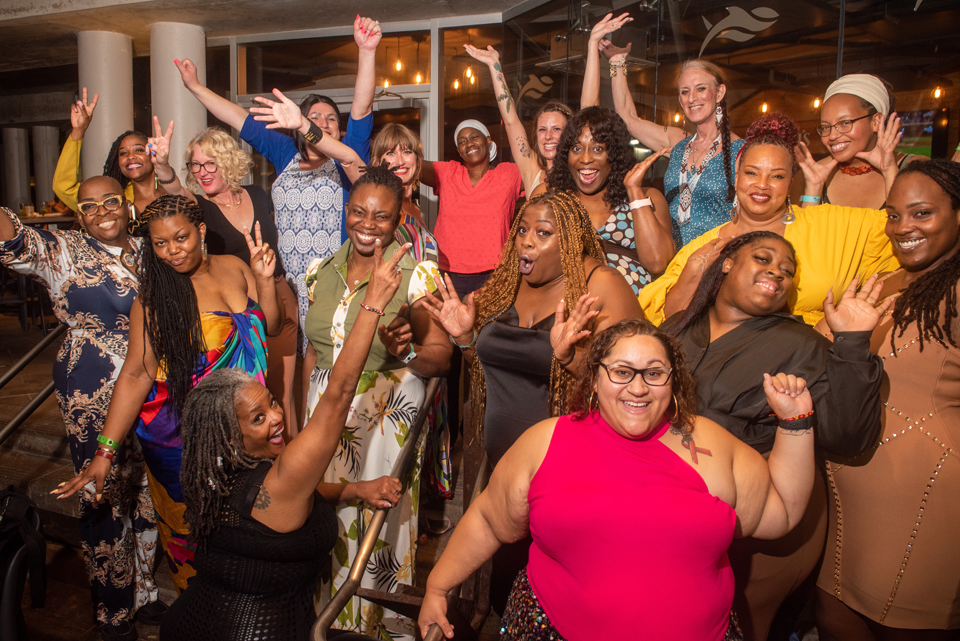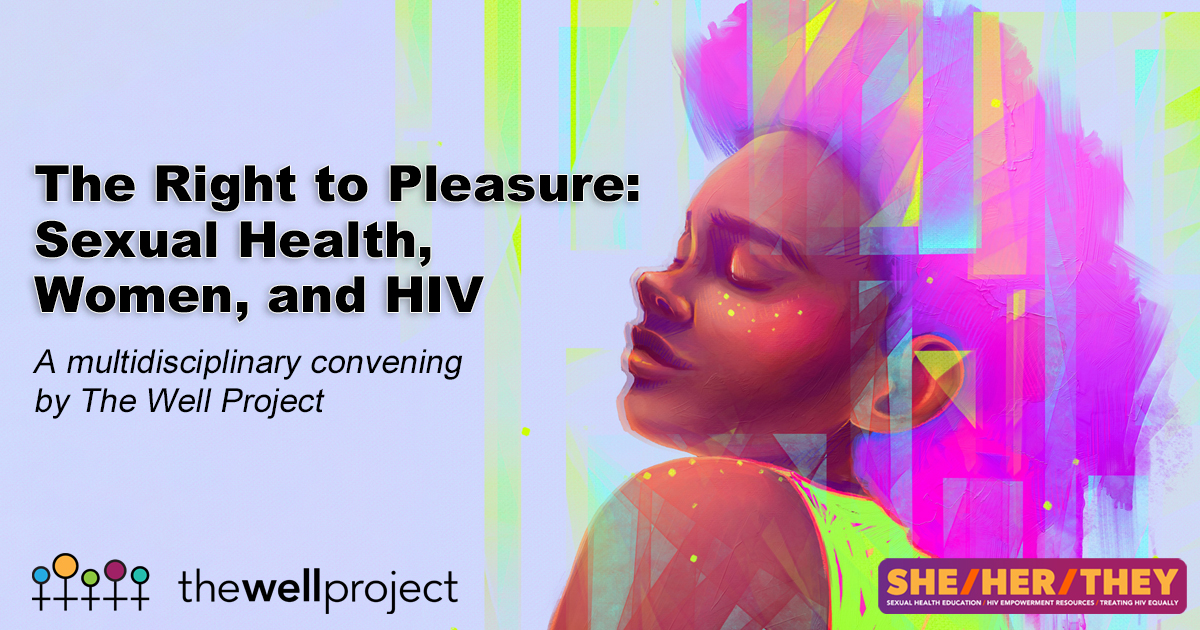
On April 29, 2026, The Well Project hosted a virtual convening titled "The Right to Pleasure: Sexual Health, Women, and HIV." This conversation centered on the intersections of sex, pleasure, and HIV, particularly for women living with and vulnerable to HIV across the gender spectrum. Welcoming approximately 20 multidisciplinary stakeholders including advocates, providers, researchers, and community leaders to the virtual table, the gathering aimed to enhance understanding and dialogue around these crucial topics.
- The discussion sought to uplift approaches that honor the whole person and challenge biases surrounding pleasure in sexual healthcare and HIV prevention
- Participants explored a range of aspects related to pleasure, discussing best practices for integrating these concepts into HIV advocacy, clinical care, public health, and beyond
- The conversation fostered meaningful dialogue aimed at co-creating solutions that reflect the real needs of women impacted by HIV
In preparation for the convening, participating experts completed a survey (n=18) to identify important issues related to pleasure and health among women living with HIV and with reasons for prevention. The survey investigated the most important priorities to ensure that all women across the gender spectrum have access to pleasure-centered services and pleasure-competent providers – and the most significant barriers to achieving that objective.
Highlights include:
Top priorities:
- Equip providers to engage in non-judgmental, proactive discussions about pleasure, including types of sexual pleasure and intimate relationships (67%)
- Disrupt the policing of women's bodies and promote bodily autonomy by pursuing efforts to decriminalize HIV, abortion, sex work, parenthood, and others (67%)
- Center, support, and invest in the needs, perspectives, contributions, and leadership of women living with HIV in all efforts designed to serve them (61%)
- Move beyond harmful "risk" framing and terminology (for example, "HIV risk behaviors" are also activities individuals may engage in for pleasure, survival, validation, etc.) (56%)
- Infuse medical school and continuing-education curricula with pleasure-based sexual and reproductive health, including intersections with HIV prevention and care (44%)
Top barriers:
- Ingrained beliefs and messaging among many populations in the US and beyond that downplay (or disregard) women's experiences of sexual pleasure (83%)
- Absence of the notion of pleasure as a component of sexual health throughout the US healthcare system (61%)
- Siloing of HIV concerns from other sexual and reproductive health, rights, and justice advocacy spaces in which pleasure may be more central (61%)
- Provider discomfort with conversations around pleasure (56%)
- Excessive focus by medical providers and others on viral load as the only metric for well-being for people living with HIV (56%)
Participants also offered open-ended responses to questions regarding opportunities and conversations that ought to be leveraged to broaden access to pleasure, intimacy, and sexual well-being for women affected by HIV. Many responses related to perceived gaps between clients'/community members' crucial entwined needs for trust (relatability and accessibility of information/relationships) and connection (community, friendships, the "kitchen table") and providers' ability (through education, training, accountability) to be trustworthy.
This convening is part of our SHE/HER/THEY programming focused on improving engagement in care, health outcomes, and well-being for women living with and vulnerable to HIV. We look forward to sharing more outcomes from this illuminating conversation in the coming months!
Read the issue brief that resulted from the convening: Claiming Pleasure in the Context of HIV: Optimizing Care for Women
Read the bios of all meeting participants in The Right to Pleasure: Sexual Health, Women, and HIV
| Ciarra Brown, MS, HS-BCP Director of Programs, The Well Project Philadelphia, PA |
Jasmine Burnett Principal, Blkfeminst Advisors Trainer, Rockwood Leadership Institute Cleveland, OH |
| Danielle Campbell, PhD, MPH Translational Biomedical Researcher Los Angeles, CA |
Kim Canady, BS Founder, Conversations with Kim CAB Member, The Well Project Brooklyn, NY |
| Monique Carry, MA, PhD Executive Director, Prevention Access Campaign Atlanta, GA |
Ashley Cobb Sexual Health Expert; Author Atlanta, GA |
| Jenna Conley Director of Communications, WRI Director, The Well Project Philadelphia, PA |
Tori Cooper, BA, MPH, SGE Director of Strategic Outreach and Training, Human Rights Campaign Health and Equity Consultant |
| Brenice Duroseau, PhD, MSN, BSN Nurse Practitioner; Postdoctoral Fellow Baltimore, MD |
Olivia G. Ford Editorial Director, The Well Project Brooklyn, NY |
| Kamaria Laffrey Co-Executive Director, The Sero Project Florida |
Krista Martel Executive Director, The Well Project Brooklyn, NY |
| Leisha McKinley-Beach, MPH Founding Member, PrEP In Black America Founder and CEO, Black Public Health Academy Atlanta, GA |
Marnina Miller Co-Executive Director, Positive Women's Network-USA Member, Presidential Advisory Council on HIV/AIDS Spring, TX |
| Florence Momplaisir, MD, MSHP Associate Professor, Division of Infectious Diseases, Perelman School of Medicine, University of Pennsylvania Philadelphia, PA |
Anne Philpott Founder, The Pleasure Project Shaftesbury, Dorset, United Kingdom |
| Bridgette Picou, LVN, ACLPN Stakeholder Liaison, The Well Project Palm Springs, CA |
Tonia Poteat, PhD, MPH, PA-C Professor, Duke University School of Nursing Associate Director, Duke Center for AIDS Research Durham, NC |
| Cory Roroya Organizing Director, Healthy and Free TN Nashville, TN |
Jennifer Sherwood, PhD Director of Research, Public Policy, amfAR, the Foundation for AIDS Research Washington, DC |
| Kimberly Skeete Researcher/Community Health Advocate/Writer Palm Springs, CA |
Amber Sophus, PhD, MPH Assistant Professor, Kate Marmion School of Public Health, University of Texas at San Antonio San Antonio, TX |
| L. Tang 唐雯 Founder, 4L Solutions |
L'Orangelis Thomas Negron Community Organizer; Nomad; Manifestor; Learner; Improviser San Juan, Puerto Rico |
| Brit Williams, PhD Associate Professor, University of Vermont Atlanta, GA |
This meeting was supported by grants from ViiV Healthcare Positive Action and Merck.