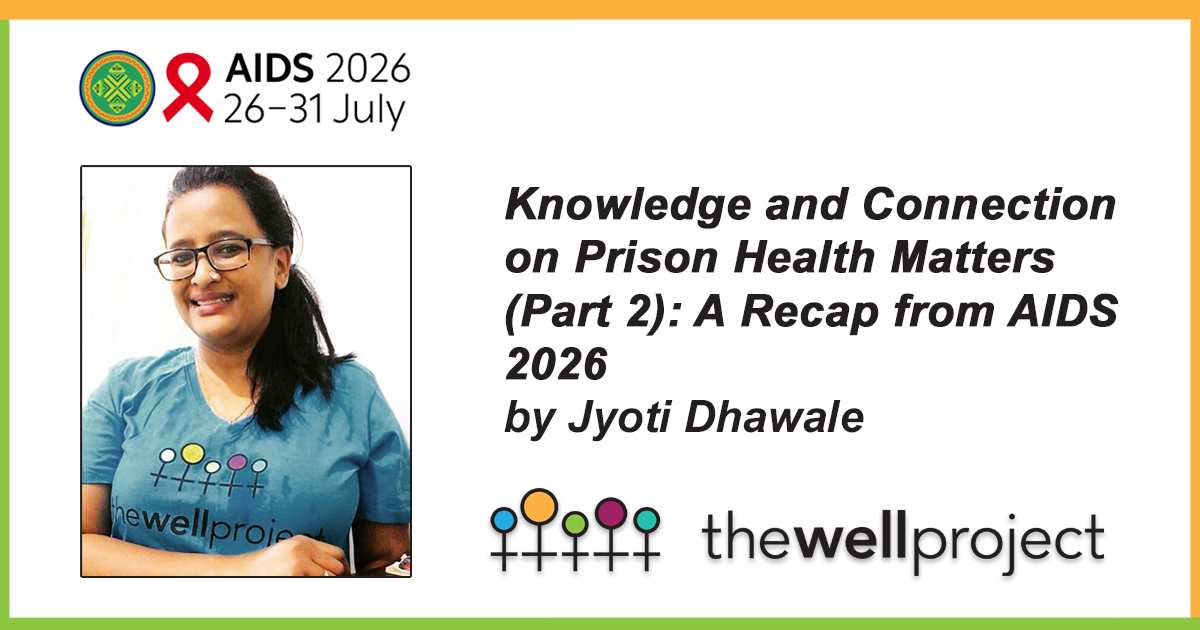
By Jyoti Dhawale
From July 26-31, 2026, 7,500 participants gathered in Rio de Janeiro, Brazil, for the 26th International AIDS Conference (AIDS 2026) – and several members of The Well Project's circle were among them. Read on for perspectives from The Well Project's global ambassador – and scroll down the page for more from on the ground in Rio at the world's largest HIV-related convening.
My most valuable learning from the International AIDS Conference (AIDS 2026) came not only from sessions but from conversations with people. Listening to different lived experience (networking) made me reflect on the struggles that people living with HIV (PLWHA) face in their day-to-day life. In some countries people are still dealing with much harder and harsher realities: limited access to healthcare and treatment, stigma and discrimination, poverty and violence, criminalization, lack of basic support and rights.
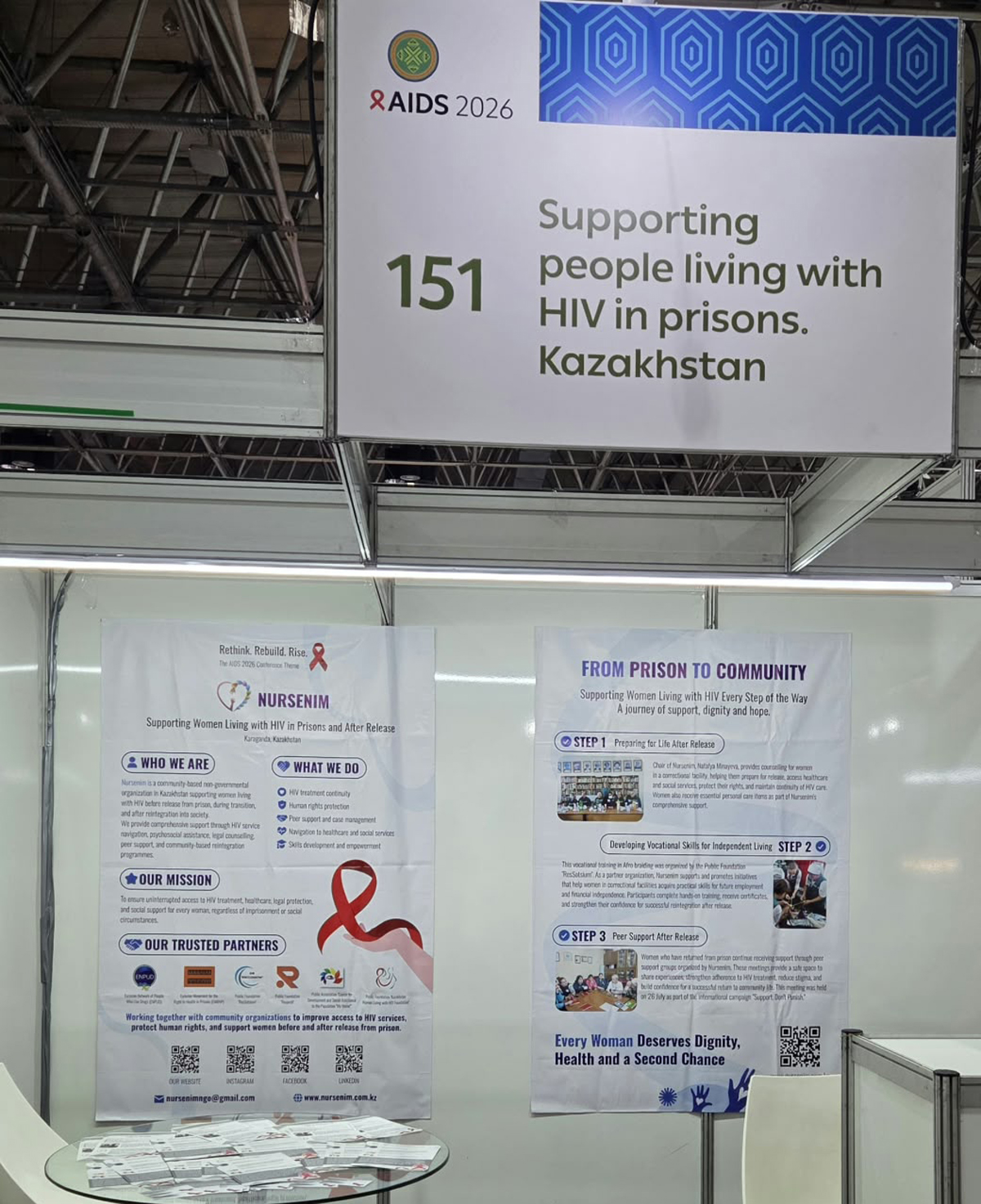
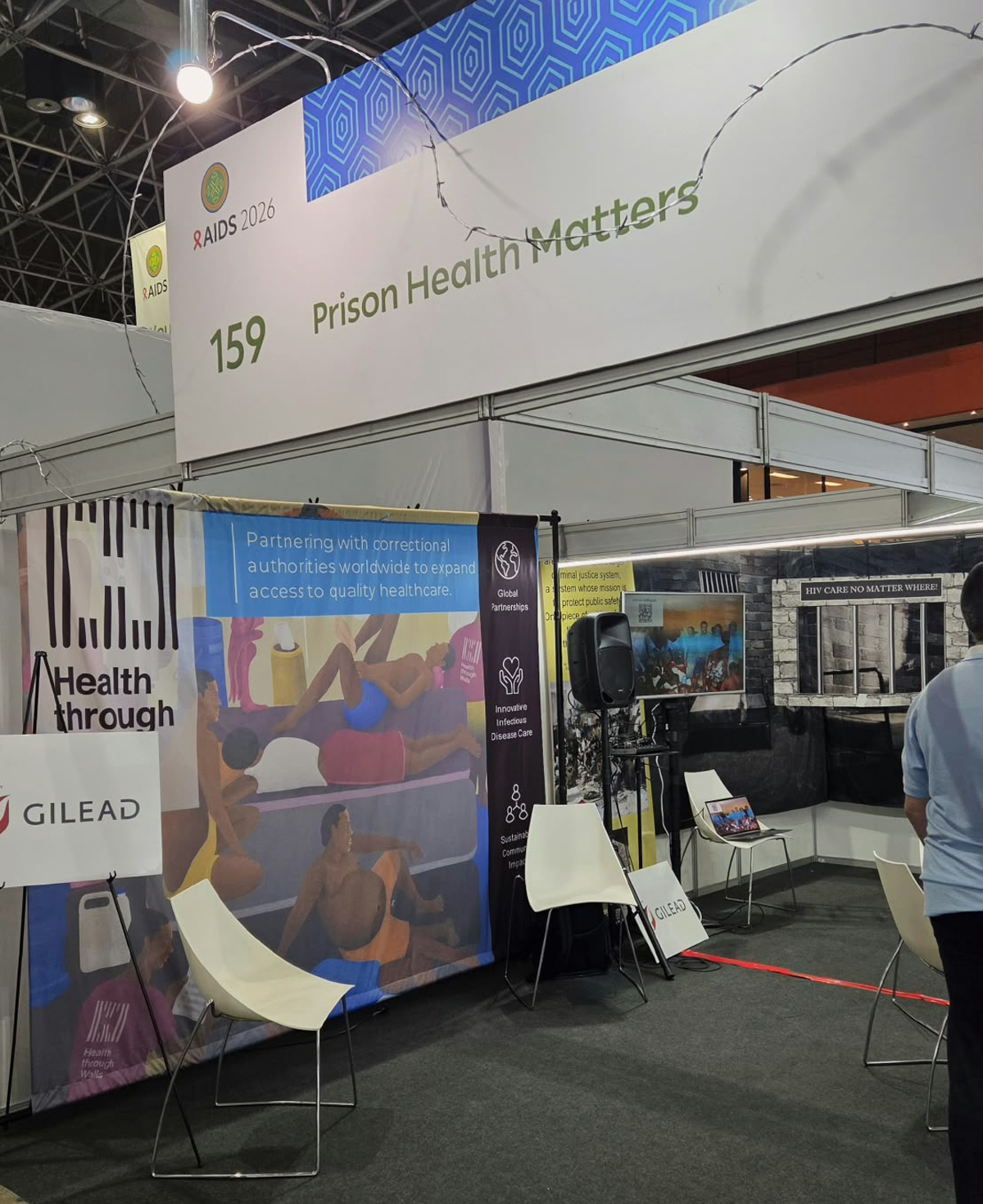
Major takeaway from the Global Village networking zones: Booths no. 151 (Prison Health Matters) and 159 (Supporting PLWHA in Prisons, Kazakhstan). Below are a few strong points:
- There are documented cases where disclosure of HIV status in prison has led to deep stigma, intense humiliation, total isolation, verbal abuse, and even physical violence. Some go through intense distress leading to suicidal tendencies.
Impact line: Confidentiality isn't a luxury in prison; it can literally determine whether someone feels "safe enough" to take their life-saving treatment.
- Treatment can be interrupted when someone is arrested or transferred. A break in treatment can cause serious consequences/adherence issues.
Impact line: Being in prison may take away person's freedom but it must never take away their access to life-saving medicines. Medicine should follow where they go.
- Other health problems like tuberculosis, hepatitis, sexually transmitted infections, mental health conditions, or substance abuse in prison are harder to manage. These cannot be treated separately from HIV.
Impact line: In prison, treating HIV in isolation is not enough. When other health needs are ignored, a prisoner's entire health and dignity are put at risk.
- The problem does not end when prison sentence ends. The person, once out of prison, but without a home, job, money, identification documents, family support, or connection to HIV treatment, may find their entire life and wellbeing disrupted.
Impact line: Release from prison should not become another sentence. Ending a prison sentence should be the beginning of rebuilding life; not the beginning of another struggle to access life-saving HIV care.
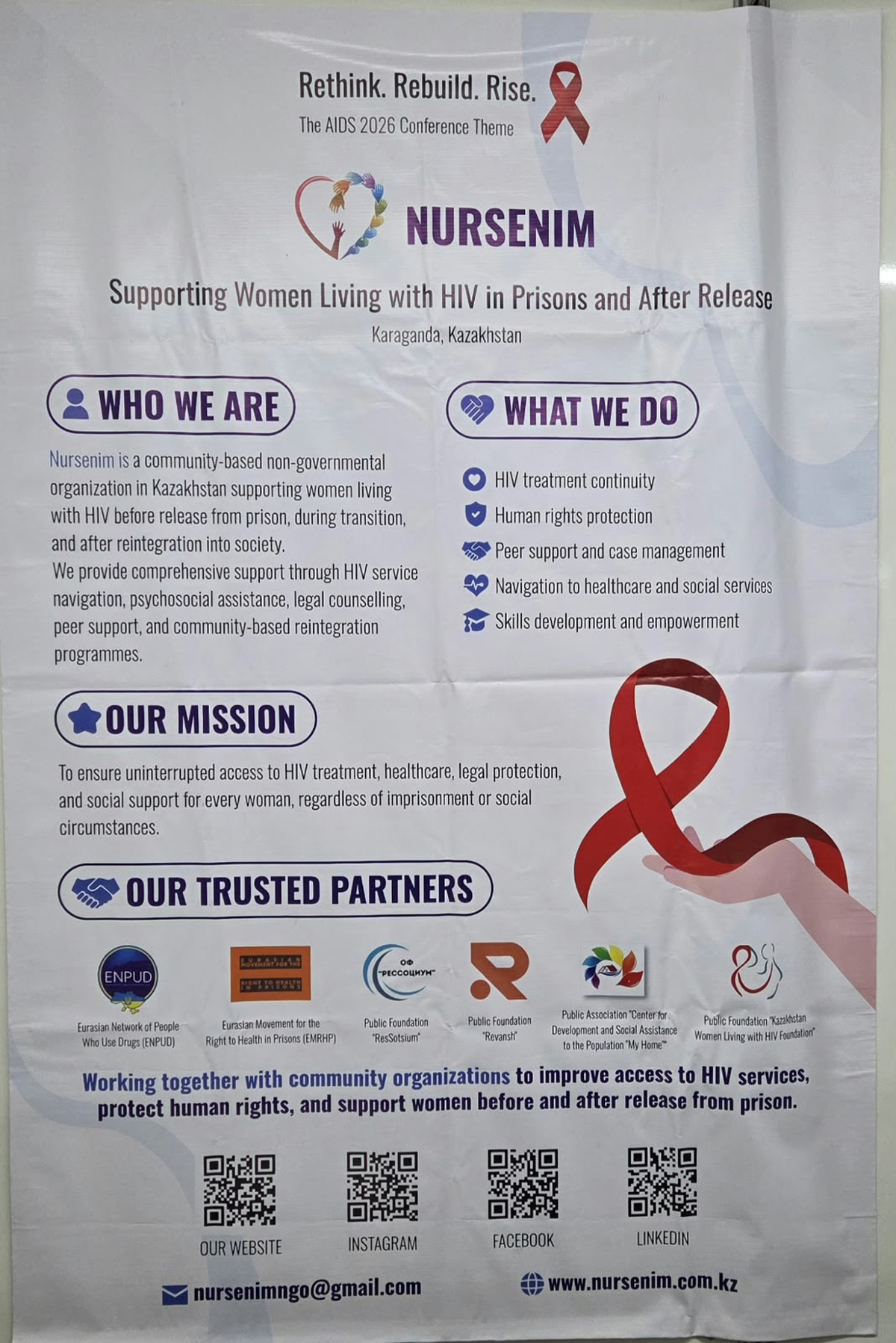
The Khazakhstan booth was powerful because it showed that crime can continue even after someone leaves prison. The biggest lesson is that "leaving no one behind" cannot stop at prison gates. The session on "Prison Health Matters" made me think about them who are completely invisible in HIV response. They need to be seen not as prisoner first but also as a human being who deserves the same rights and access to health and dignity as everyone else.
More from The Well Project on the 26th International AIDS Conference (AIDS 2026)
RISE in Rio by HIVstigmafighter on A Girl Like ME
Words Matter: Presenting on Stigmatizing Language in Healthcare at the 2026 International AIDS Conference
The Life I Almost Didn't Live – From India to Brazil (Part 1): A Recap from AIDS 2026
Being the First – Challenging What Needs to Change (Part 3): A Recap from AIDS 2026
A Powerful Presence in Midst of War - Ukraine (Part 4): A Recap from AIDS 2026
Conclusion: Who Is Still Missing from the Room (Part 5): A Recap from AIDS 2026