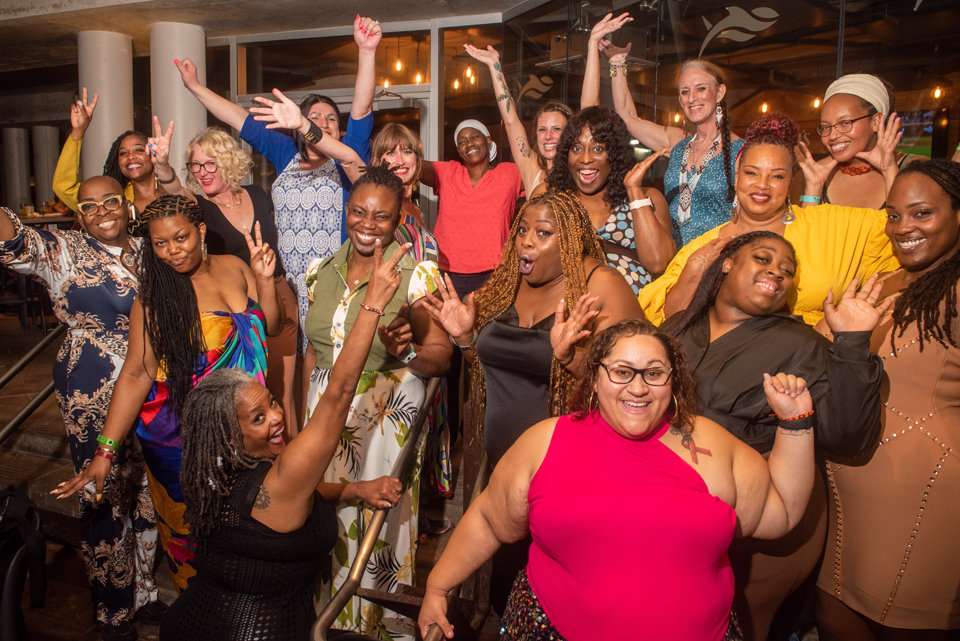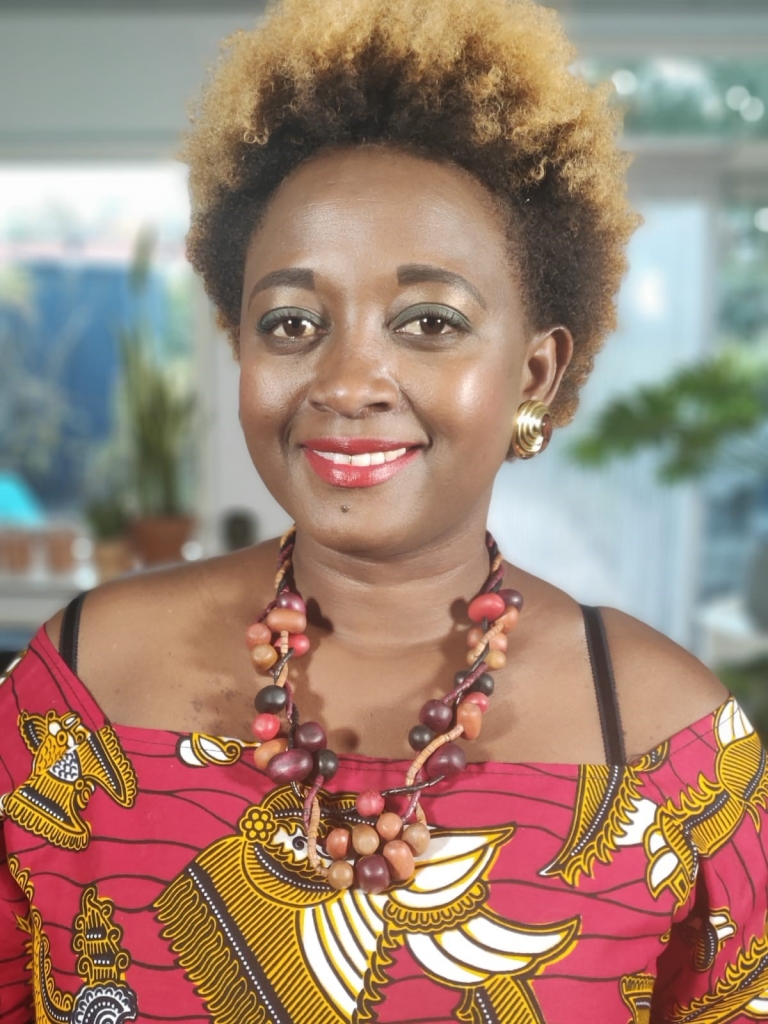
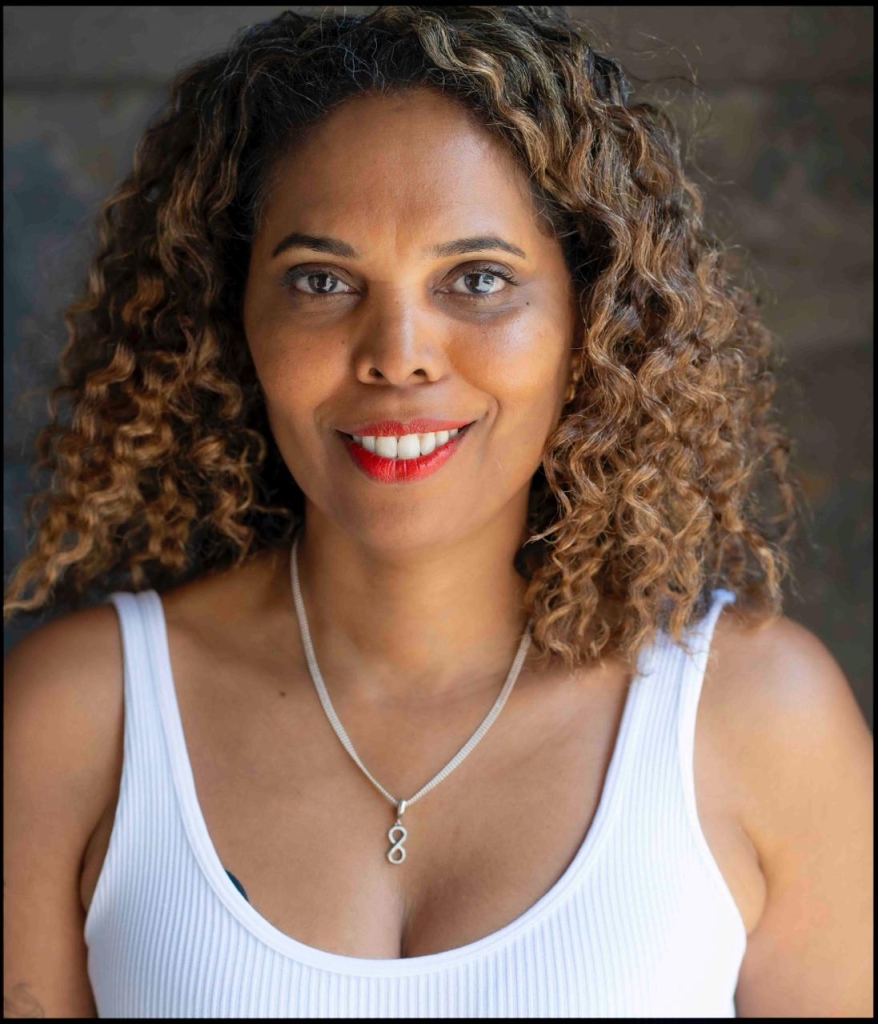
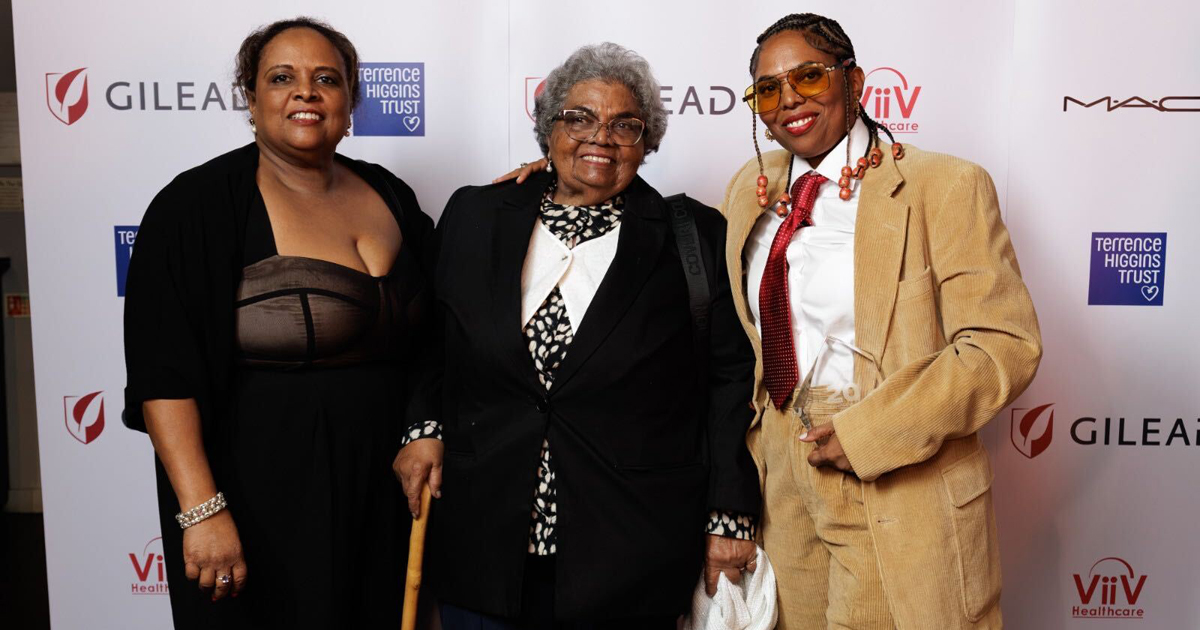
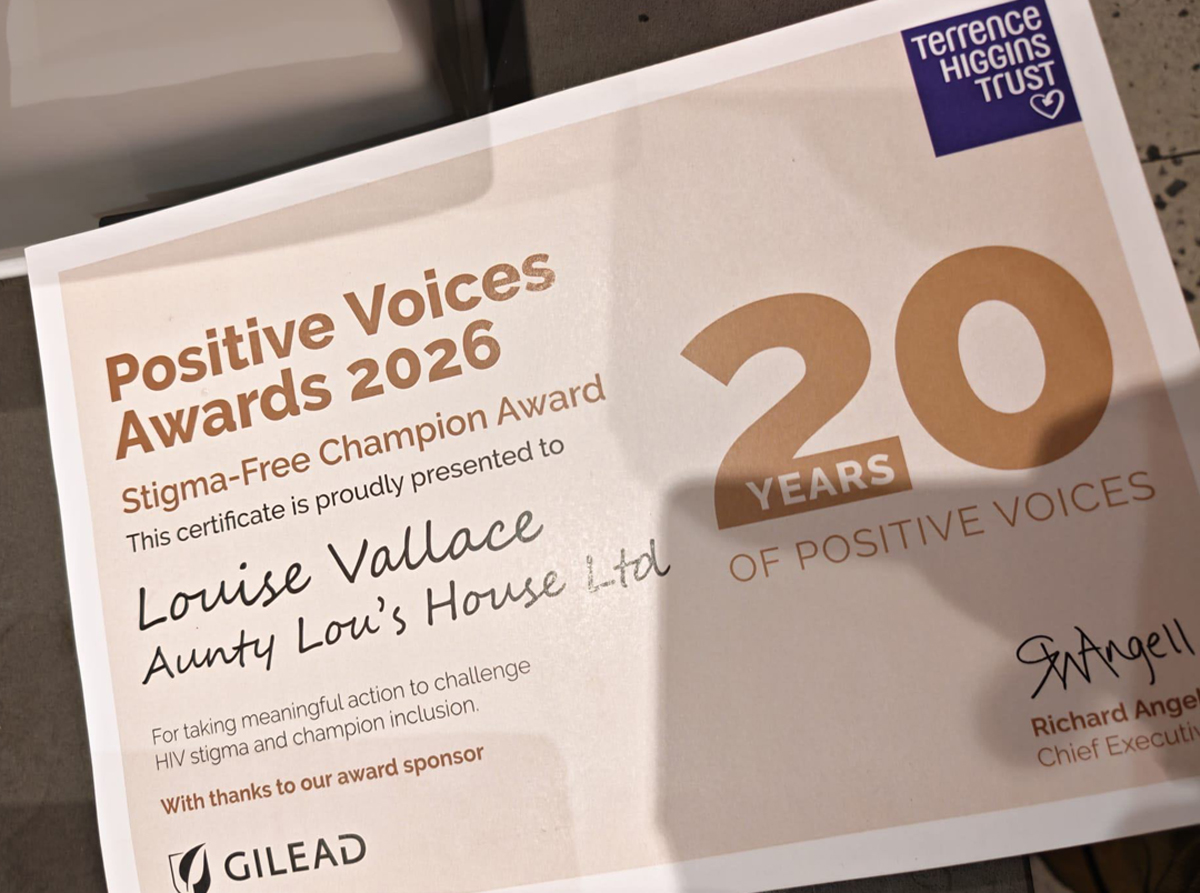
In November 2026, I was invited to an award ceremony organised by the Terence Higgins Trust, who is the largest HIV charity in the UK.
I invited my mum (Laurentia) and my sister (Melinda) to the awards ceremony, as I wanted to share this experience with them. I was diagnosed with HIV in 2006, and Melinda was the only person I told. I didn't tell my mum, I didn't tell my children, I didn't tell my friends because I felt so embarrassed and ashamed.
Melinda held space for me and my secret for ten years. I remained silent for ten years. Ten years of shame; ten years of stigma; ten years of anxiety; ten years of fear; ten years of suppression; ten years of depression.
I did not feel that my mum would be able to handle my diagnosis. I didn't want her to feel ashamed that her daughter has got HIV.
My mum was born in St Lucia and left there to go to London to find work in the 1960s. She met my dad, got married, and had children. She worked in various jobs and instilled in me the importance of commitment, hard work, and perseverance.
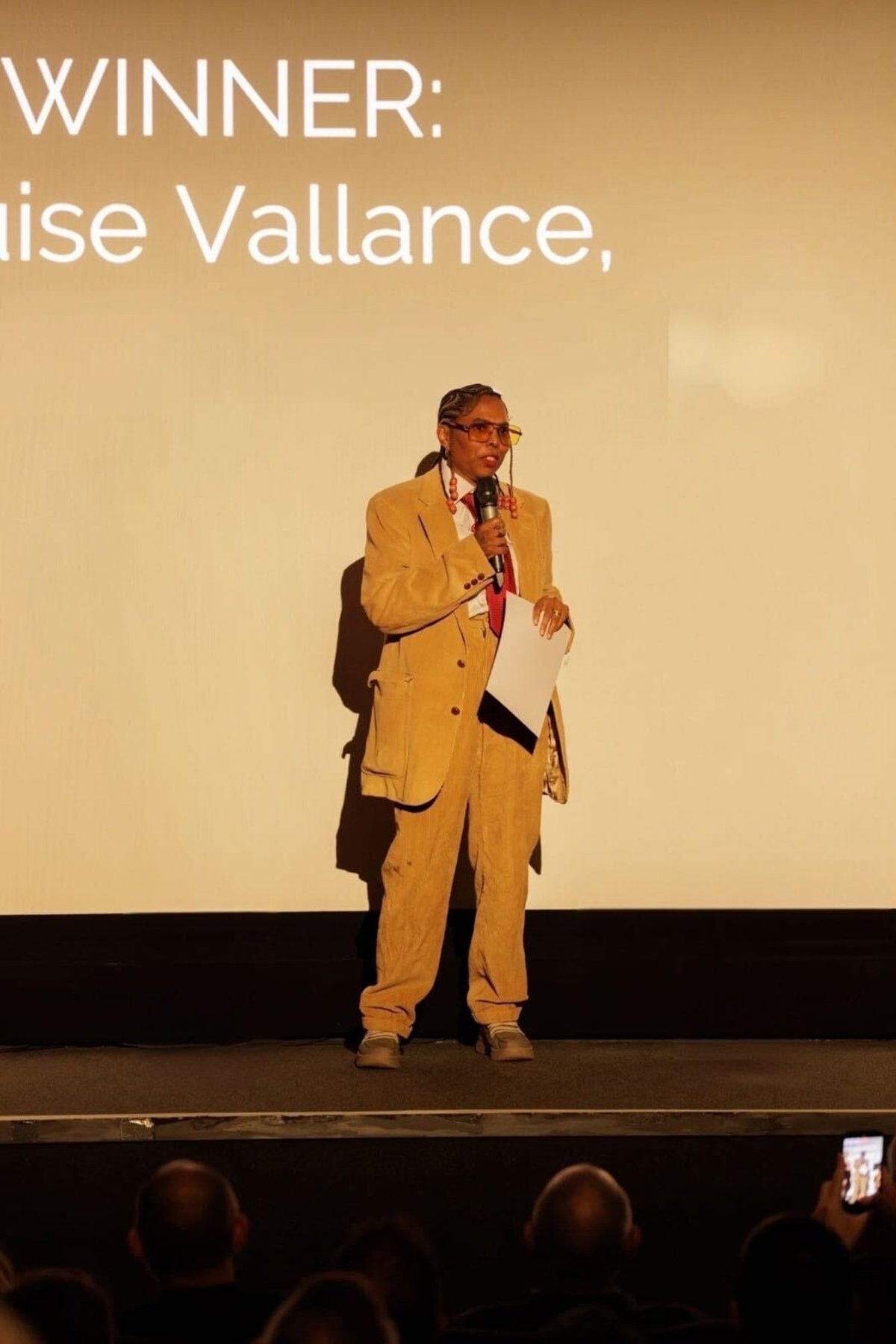
When I finally got the courage to share my diagnosis, I told my children and I told my mum, and they were so supportive of me. That was when I understood the difference between stigma and internalised stigma. I had to get myself ready to talk about my diagnosis. I had to find a way to gain inner strength, and yoga was the path I found to help me on my journey.
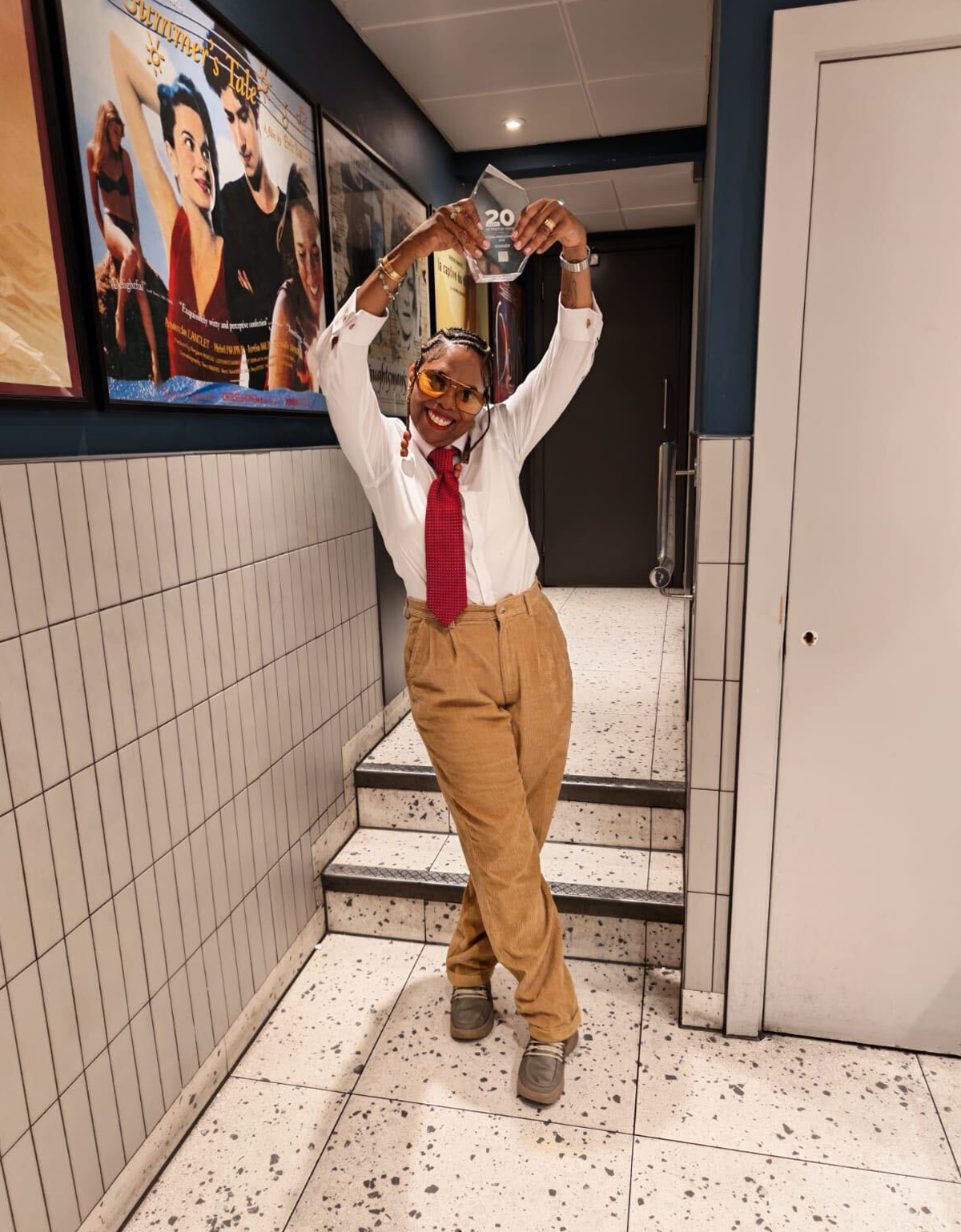
As I arrived in Soho London at the awards ceremony, I sat down with my mum and my sister waiting for the event to start. It dawned on me that it was the same day that I got diagnosed 20 years earlier. I had come full circle from what I thought was a death sentence and finding no way out to winning an award twenty years later to the day.
When I started to become more visible on social media, I started talking more about my HIV diagnosis. I talked about HIV to help people who had been diagnosed and are feeling stigma or experiencing internal stigma. I was thinking of delivering a yoga course for people living with HIV and I contacted people I had met through social media, asking them if there was one thing that they would want to change. 99% of the respondents I spoke to said stigma.
I set about going onto the streets of London to talk about HIV. With microphone in hand, I spoke to people to raise awareness, encourage testing and reduce stigma. My objective was to respond to the 99% of people I spoke to who said stigma was the biggest obstacle.
I also started a podcast called Aunty Lou's Hour where I interview people from all over the world about their HIV journeys. I do this so that people who are experiencing internalised stigma can see that there are many others who are on the same journey and who found hope. I wanted those 99% of respondents to know that if they feel anxious, sad, lonely, depressed... they're not alone.
Internalised stigma is where I felt most alone. The award that I received is in honour of people who similarly feel that loneliness. I want them to know that they are not alone.
- Website: https://auntyloushouse.com/
- For more social content you can follow Aunty Lou's House on Instagram YouTube, TikTok, Facebook and LinkedIn
- Spotify: Aunty Lou's Hour podcast
- Apple Podcast: Aunty Lou's Hour - Podcast
The views and opinions expressed in this blog, like all content on A Girl Like Me, are the author's own. They do not necessarily reflect any policy or position of The Well Project and are not intended as professional advice.