


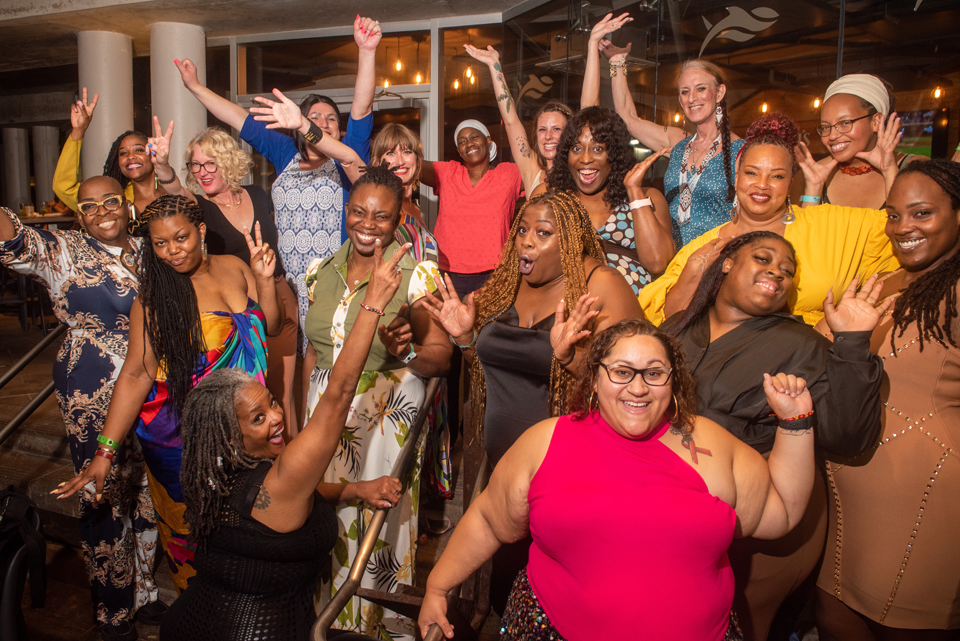
Last night, I attended my first social event within the HIV community. I went in hopeful—open to connection, understanding, and a sense of belonging.
What I didn't expect was conflict.
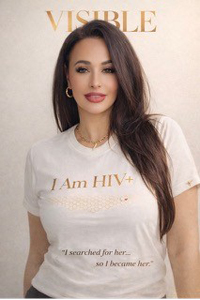
I chose to wear something intentional: a shirt that read "I am HIV+." For me, it wasn't fashion—it was purpose. It was a quiet but bold declaration that I am not ashamed, that I am still here, and that I refuse to hide.
But my presence—and my visibility—sparked a strong reaction.
Another woman became visibly upset. She raised her voice and expressed that what I was wearing represented everyone at the event, and that it could put people in danger. She said something that stayed with me: that people are killed over things like that.
And she's right.
There is still very real fear surrounding HIV. There is still stigma, discrimination, and in some places, danger. For many, privacy is not just a preference—it is protection.
But there is another truth that exists alongside that fear.
Silence is what allowed stigma to survive this long.
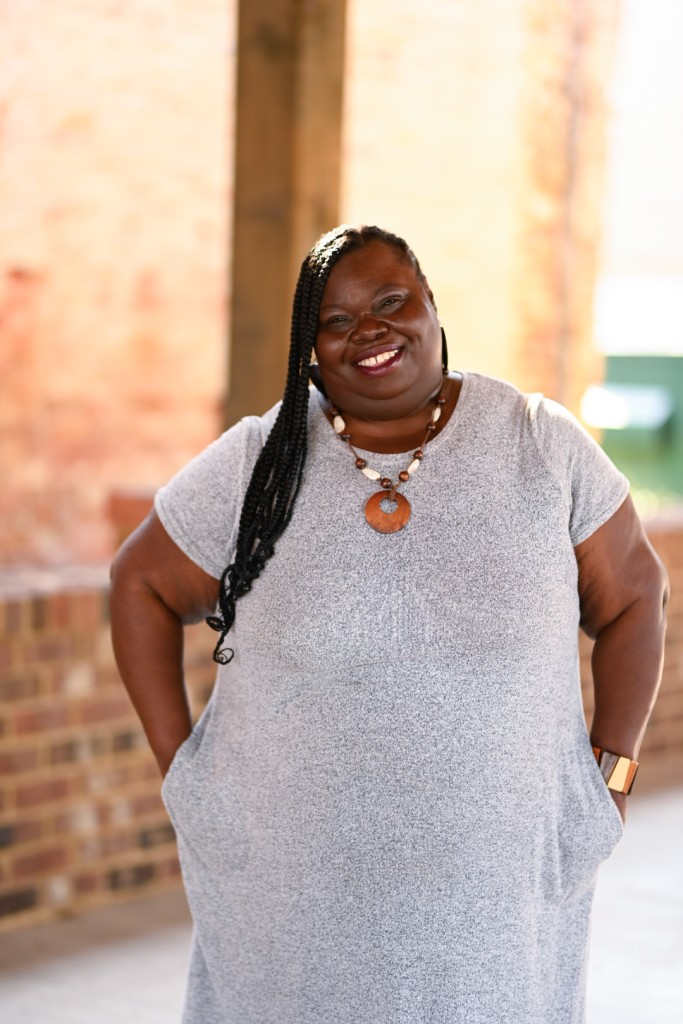
For me, wearing "I am HIV+" is not about speaking for anyone else. It is not about forcing visibility on those who are not ready. It is about reclaiming my own narrative. It is about choosing to stand in the light instead of shrinking in the shadows.
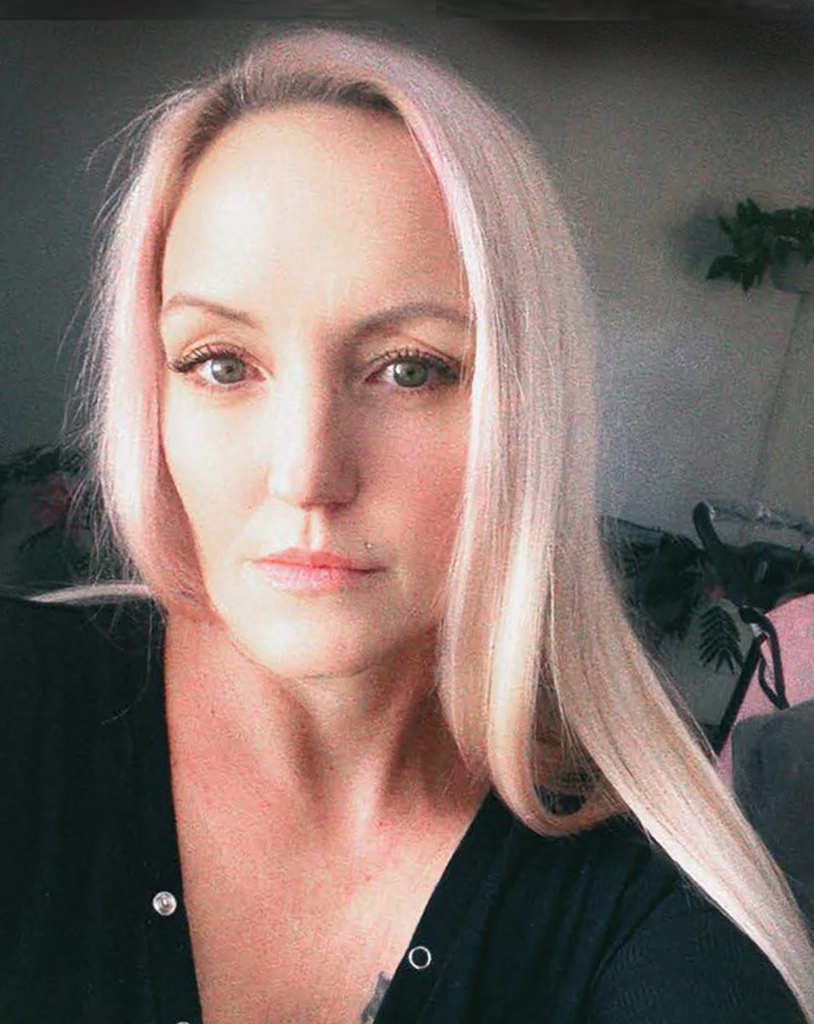
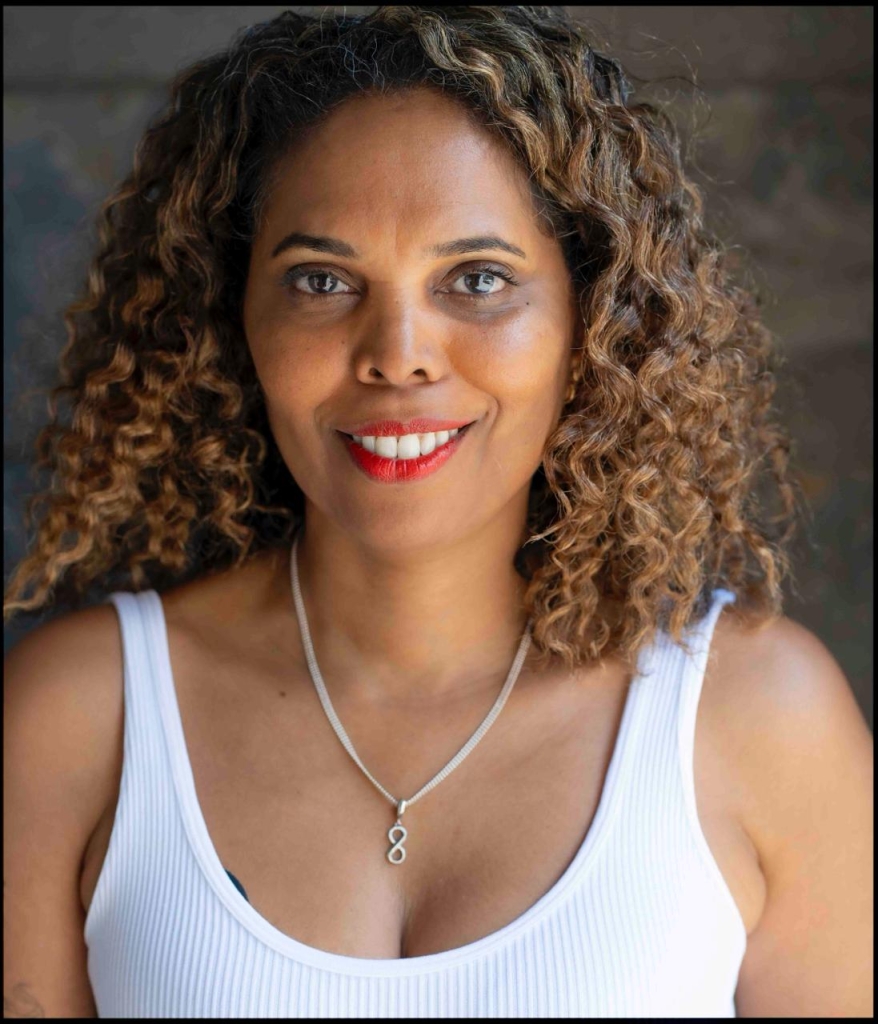
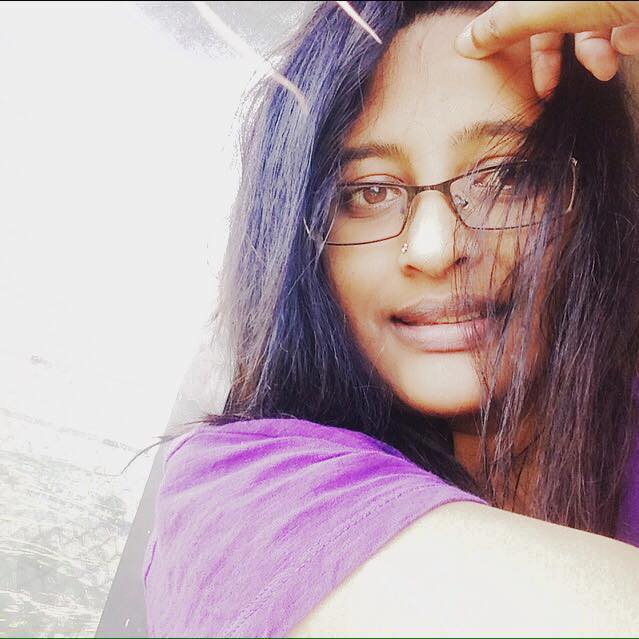
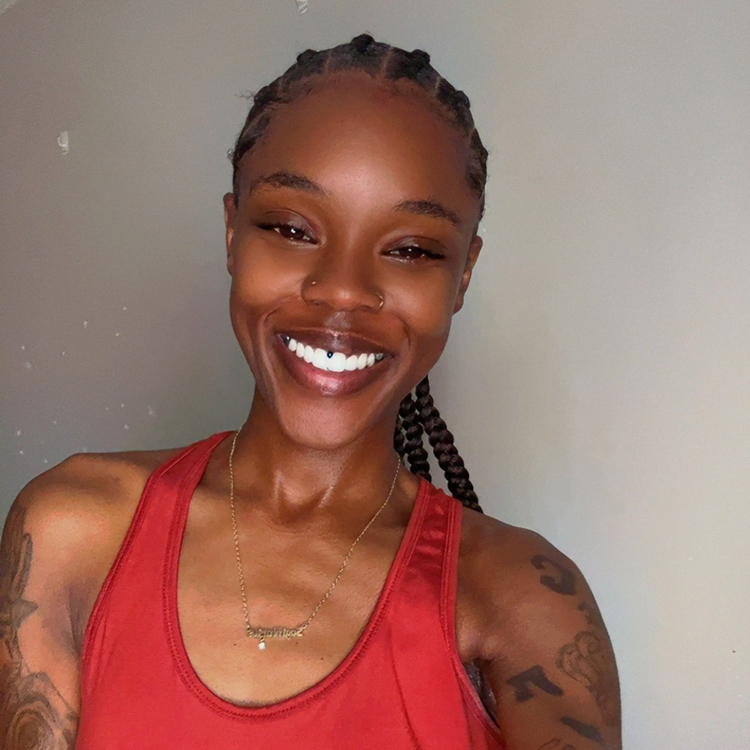
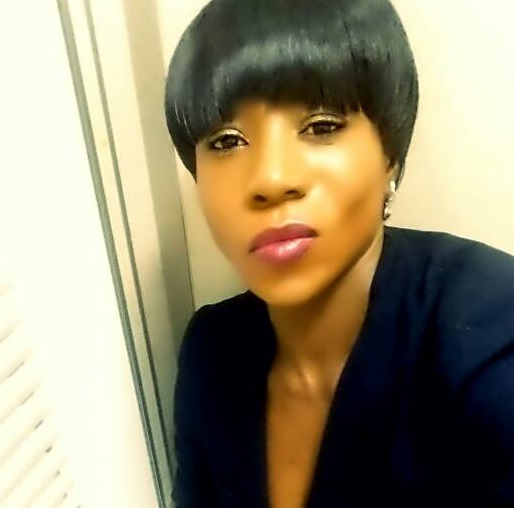
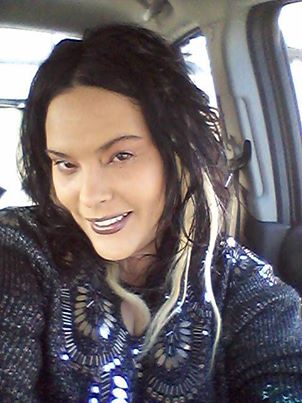
Before my diagnosis, I searched for someone who looked like me—someone who didn't fit the stereotypes, someone who would say, "This can happen to you, too."
I couldn't find her.
We often talk about awareness, but awareness requires visibility. It requires real faces, real voices, and real stories.
And that absence is part of the problem.
We often talk about awareness, but awareness requires visibility. It requires real faces, real voices, and real stories. It requires people who are willing—when they feel safe and ready—to say, "This is my truth."
The LGBTQ+ community faced similar tensions in their fight for acceptance. Visibility was once seen as dangerous, controversial, and even irresponsible. But over time, it became one of the most powerful tools for change.
I believe we are at a similar crossroads in the HIV community.
There are those who need privacy to feel safe—and that must be respected.
And there are those who choose visibility to create change—and that must also be respected.
Both can exist.
But one cannot silence the other.
I left that event with mixed emotions—hurt, but also more certain than ever about my purpose.
Because if my visibility makes someone uncomfortable, it may also make someone else feel seen.
And that is worth everything.
HIV is no longer the story it once was. With proper care, people living with HIV can live full, healthy lives.
But stigma?
Stigma is still very much alive.
And I refuse to carry that.
I am not representing everyone.
I am representing myself.
And for someone out there searching the way I once did—that is enough.
— Marie Niles
Founder, Bee HIV+ Foundation
"Together, We Thrive"





Thank You
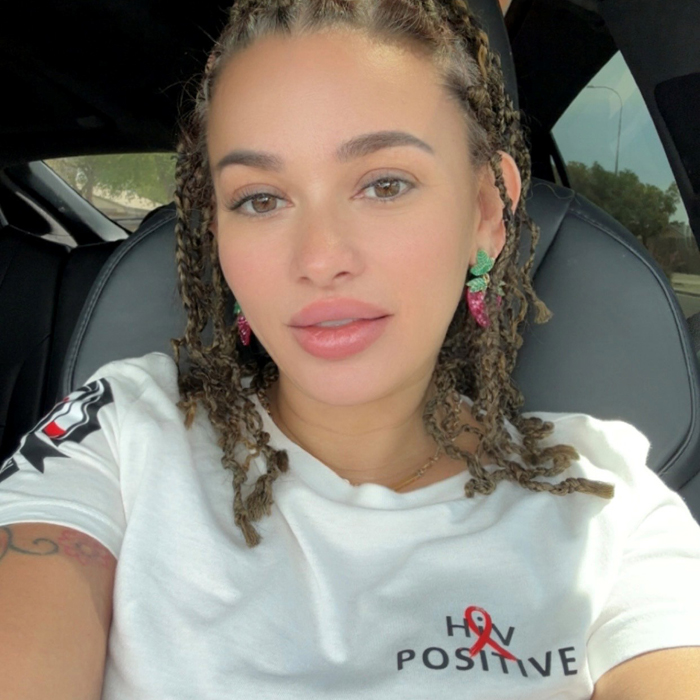
We should all be able to wear what we are comfortable wearing. I choose to wear HIV Awareness clothing everywhere we go unless it's a more formal event. We did a morning Yoga event and then a Bowling escapade that evening. I don't comment on peoples choice of religious shirts, pride clothing, or anything regarding any other illness (Ie cancer/mental health/autism). I would never put anyone is a position to implicate them or expose their status, but to esentiall be attached at my first community event was very hurtful.