


There was a point in time when "Compassionate Use" wasn't a slogan. It wasn't a marketing buzzword used to sell overpriced eighths in a clean, clinical lobby. It was a combat tactic. It was raw Civil Disobedience. It was a war fought in hospital wards and back alleys by outlaws who realized that when the government decides your life isn't worth saving, the only law that matters is mercy.
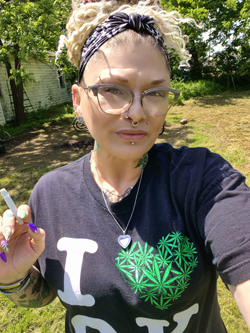
I'll be the first to admit it: for a long time, 4/20 was just a reason to light up, celebrate Earth Day, and smoke out with my friends. Even though I was already using cannabis for seizures and medicinal purposes, I didn't know the full truth. I wasn't educated on the history of Compassionate Use. I didn't understand that the very right to hold a joint in my hand was bought and paid for by the AIDS epidemic of the 1980s.
I was just a kid back then. It wasn't until 2018 that the blinders came off.
The timing was a collision. In June 2018, as Oklahomans were heading to the polls to legalize medical cannabis, I was on life support. Just weeks before, I had been pushing through the misery, putting together the PetSmart float for the Tulsa Pride parade while I was unknowingly dying. It was a fever dream—Joe Exotic was running for office and Oklahoma was peak ridiculous. I woke up from that ventilator to a brand-new reality: my husband left, Joe Exotic was in handcuffs, SQ 788 had passed, and I had an HIV/AIDS diagnosis.
I hadn't even gotten to cast my vote, but I had inherited a duty.
I immediately launched Positively Medicated because I believed in the leaders of this new industry. I trusted they meant what they said about healing. But I quickly realized most of them were just blowing smoke. They were too busy building "lifestyle" brands and were willing to even build around safe health issues such as mental health or cancer, etc., but touching HIV/AIDS and bringing that into their brands or their story or helping those patients was too dirty for them. They sought the clean and easy. They want the title of healer without ever having to touch the raw work of actual HIV advocacy, which is how we got Compassionate Use in the first place.
It's a coward's cop-out.
The Angels of Mercy vs. The Silence
The "experts" love to talk about the future, but they're terrified of the past because the past is "dirty." They don't want to talk about the Double Stigma: a time when cannabis was "evil" and AIDS was seen as a "divine punishment."
But the Angels of Mercy didn't care about the stigma. They were too busy doing the "dirt work" the industry now tries to gentrify.
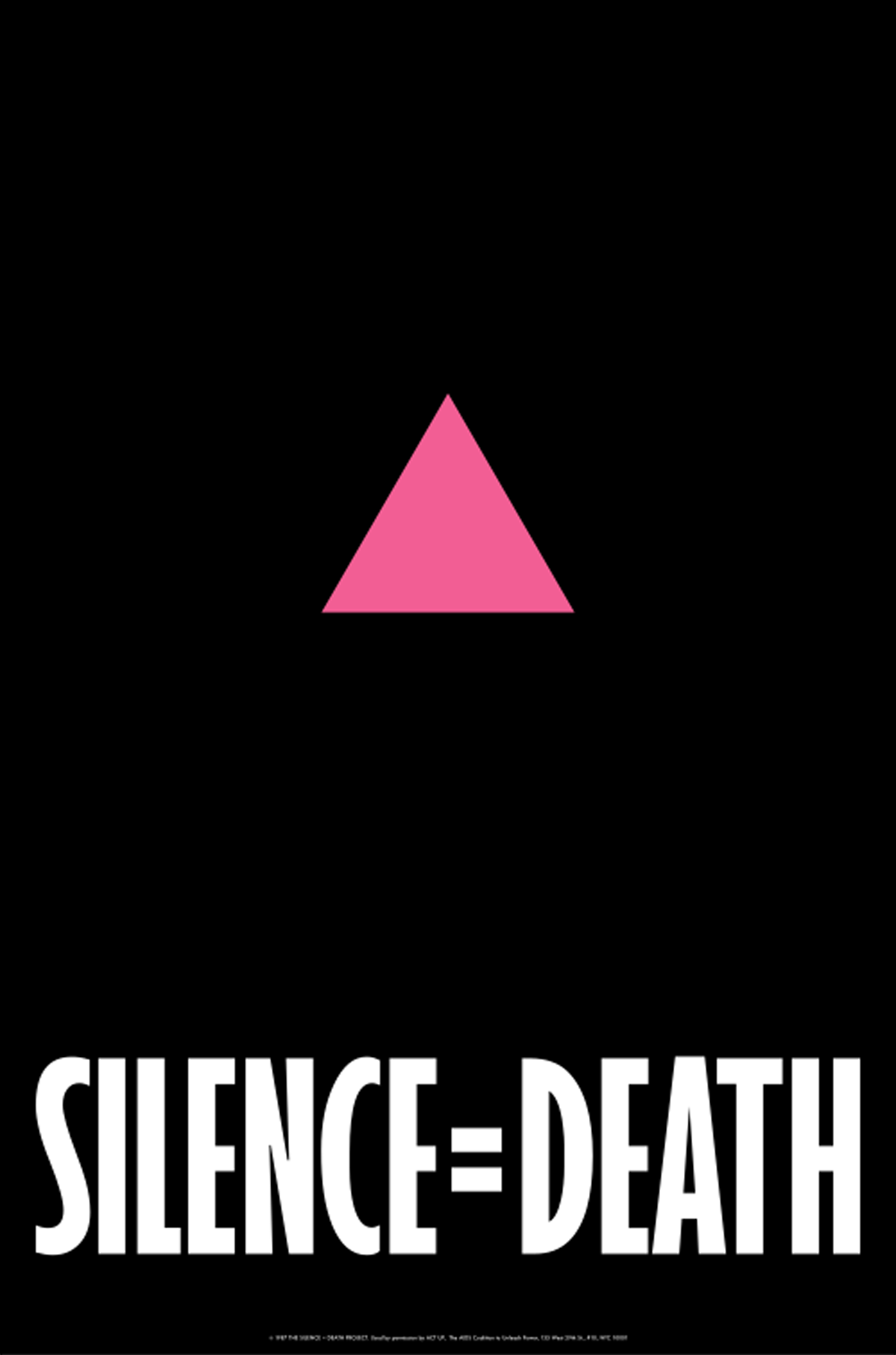
Silence = Death. Three words that fueled a revolution. Before the cannabis industry was a 'lifestyle,' it was a lifeline for those fighting the AIDS epidemic. This pink triangle reclaimed a symbol of hate and turned it into a symbol of resistance. If you're standing in the light of legalization today, you owe a debt to the people who screamed when the world told them to be quiet.
Brownie Mary (Mary Jane Rathbun)
She wasn't just a sweet old lady with a basket. She was a radical. She used her $650 Social Security check to buy weed for "her kids" in Ward 86—the men wasting away from AIDS that the rest of the world was too "disgusted" to touch. She was arrested three times for it. Her "lifestyle brand" was a hairnet and a jail cell, and she used her courtroom appearances to scream that her kids were dying while the judges looked the other way.
The kitchen that launched a revolution: Brownie Mary didn't have a corporate lab; she had a plate of brownies and the grit to face a jail cell so the "kids" in Ward 86 didn't have to die in pain. This is what an outlaw of mercy looks like.
Robert Randall
Known as "Patient Zero" of the medical movement. In 1976, Robert was going blind from glaucoma and became the first person to successfully use the "Medical Necessity" defense in court. He forced the federal government to give him 300 pre-rolled joints every month. Throughout the '80s, he shifted his focus entirely to AIDS patients, using his legal victory as a roadmap to help them navigate the red tape of a government that wanted them dead.
The man who broke the door down: After suing the feds to save his sight, Robert Randall became the first person to receive government-grown cannabis. He didn't just take his win and walk away; he spent the 80s handing the blueprint for survival to every AIDS patient the system tried to ignore.
Jonathan West
The heart of the California movement: Jonathan was a veteran, a stylist, and the partner of activist Dennis Peron. While dying of AIDS in 1990, police raided his home and arrested him in his hospital bed for the cannabis he was using to stay alive. His arrest and subsequent death sparked the public outrage that eventually led to the passage of Proposition 215. Every time someone walks into a legal dispensary today, they are walking through a door Jonathan West's death kicked open.
ACT UP (AIDS Coalition to Unleash Power)
Their pink triangle and the words "Silence = Death" weren't just a cool logo; they were a warning. They staged "Die-Ins" at the FDA and took over pharmacies, demanding that cannabis be recognized as medicine because it was the only thing stopping the nausea and the wasting. They understood that when the system fails you, you have to become the system.
Valerie & Mike Corral & WAMM
Long before "patient-centric" was a corporate talking point, Valerie & Mike created a hospice model where the terminally ill grew their own medicine and sat "vigil" with each other so no one had to die alone. In 1996, Valerie was a co-author of Proposition 215, the ballot initiative that made California the first state to legalize medical cannabis. The new state law remained in direct conflict with federal law, however, and despite now operating completely openly, WAMM and its members continued to risk arrest and imprisonment for making medical cannabis available to the severely ill, including providing it for free or on a sliding scale to those unable to pay for it. Even when the DEA raided her farm in 2002 and handcuffed patients in wheelchairs, she didn't flinch. She sued the feds and won a historic injunction.
Valerie & Mike Corral received Lifetime Achievement Award from High Times for Wo/Men's Alliance for Medical Marijuana (WAMM)
Dennis Peron
After watching Jonathan West die, Dennis realized the law was a lie. He opened the first Cannabis Buyers Club in San Francisco—not as a retail shop, but as a sanctuary. It was a place for the dying to find peace, community, and a lifeline that the government tried to cut every single day.
Proposition 215 (The Compassionate Use Act): After the governor vetoed medical marijuana bills twice, Dennis took it to the people. He co-authored Prop 215 in 1996, fueled by the memory of Jonathan and the thousands of others he'd seen waste away. A month before the election, the California Attorney General raided his club and arrested him again, thinking it would kill the movement. It backfired. The public saw the cruelty, and the initiative passed with 56% of the vote. Dennis didn't stop at Prop 215. He spent the rest of his life fighting the "lifestyle" gentrification of the plant. He famously opposed recreational legalization (Prop 64) because he believed all use is medical. He believed that taxing medicine was a betrayal of the movement. He even ran for Governor of California as a Republican just to "stir the s***" and keep the conversation on the people, not the profits. "The passing of 215 lit a fuse around the world. It changed everything. They can't turn back the clock now." – Dennis Peron
"I did it for Jonathan. I did it for the people who were dying in the dark. If the government wants to call that a crime, they can come get me." – Dennis Peron
Bill Panzer
While the activists were in the streets, Bill Panzer was in the law library and the courtroom, turning their survival into a mandate. He didn't just support the movement; he drafted the blueprints that made it untouchable. Bill was one of the primary authors of the Compassionate Use Act of 1996. He was the one who translated the raw necessity of the "Mercy Angels" into the legal language that eventually broke the back of prohibition in California. For over 20 years, Bill has served as the frontline defense for medical patients. When the feds and state police tried to ignore the will of the voters, Bill was the one standing in front of the judge, forcing the system to respect the medical rights of the dying. Bill's focus has never wavered from the medicine. He's spent his career defending small-scale caregivers—the people growing for the sick out of a sense of duty—rather than the corporate empires that have since tried to sanitize the industry. As of early 2026, he is still an active, practicing attorney based in Northern California (Oakland and Grass Valley). He hasn't hung up the robe yet; in fact, he's still listed as a key staff member and legal expert for California NORML.
Dr. Donald Abrams
The Scientist of the Resistance: While the government was busy using "Schedule I" as a shield to block research, Dr. Abrams was on the front lines at San Francisco General Hospital. He didn't just advocate; he fought for years to get the federal government to release the "official" weed so he could prove what the community already knew. In 1997, after years of being stonewalled by NIDA (National Institute on Drug Abuse), Dr. Abrams finally secured approval and funding to conduct the first modern clinical trial on cannabis. He proved that inhaled cannabis was safe and effective for treating the wasting syndrome and neuropathic pain associated with HIV. His work gave the movement the scientific backbone it needed to survive in court and in the public eye. He authored the chapters on alternative therapies in the definitive AIDS textbooks, ensuring the plant couldn't be dismissed as a "stoner myth."
Steve Michael
A political powerhouse and founder of ACT UP Washington, D.C., he was famous for "political funerals," literally carrying the caskets of AIDS victims to the White House lawn to demand medicine. He was one of the primary authors of Initiative 59, the medical cannabis law in D.C., fighting until his final breath in 1998 to ensure the law protected the poorest and most vulnerable patients.
Steve Michael didn't have time for "polite" discourse. He knew that for the HIV/AIDS community, every second the government spent debating was another life lost. He fought for the Right to Die with dignity and the right to use cannabis as a tool for that mercy. He forced the world to look at the bodies the system tried to ignore.
The Cycle of Survival: From the Castro and Compton to the Rez
We owe a debt that can't be repaid to the Mercy Angels of the AIDS epidemic. They bled, they were raided, and they died so we could have a "market." But the fight for the right to heal didn't end in '96.
We see that same defiance alive today in the Cherokee Nation. While the vultures were fighting over the spoils of the "Green Rush," the Cherokee were in federal court, once again forcing the government to respect a sovereignty that predates the very laws trying to cage it. In 2017, they became the first tribe in the country to sue the opioid industry for flooding the reservation with poison. Nearly one-third of all opioids distributed in Oklahoma were shipped into our territory, fueling a massive secondary spike in HIV and Hepatitis C due to intravenous drug use.
They fought Big Pharma themselves and reached a historic $100 million settlement. Under the Public Health and Wellness Fund Act, they aren't just taking the money—they're building recovery campuses and treatment centers in Tahlequah and Vinita that treat the very autoimmune and addiction issues the cannabis industry is too "polite" to touch.
This isn't a theory. It's a $100 million receipt for a debt that started in the 80s and is being paid in blood and brick today.
The Cherokee Nation Health Services Ending the HIV Epidemic project was launched in September 2019 and focuses on diagnoses and prevention. Since initiation, CNHS has screened over 11,000 individuals for HIV and more than doubled the number of persons receiving HIV PrEP.
From the Castro and Compon to the Rez, the message is the same: Our healing is not your commodity.
The global cannabis industry is currently sitting on a reported value of over $60 billion. Think about that. A sixty-billion-dollar empire built on a foundation of "medical" necessity that was paid for in blood by the AIDS community.
Yet, while the corporate suits are busy counting their venture capital and picking out their gala outfits, they aren't reinvesting a single cent into the health crises—like HIV or the opioid fallout—that defined their origin story. They've cashed the check and forgotten the faces of the people who signed it. We owe a debt that hasn't been paid, and it's time to stop celebrating the profit until we start remembering the sacrifice.
The Final Reclamation: More Than A Celebration
Look, most people are just trying to find the best deals and figure out how they're going to celebrate 4/20. That's the point—it's a celebration. But that freedom wasn't a gift from the government; it was a hard-won victory. While they're checking for discounts, I'm out here trying to honor the ghosts and respect a legacy that has been gentrified into oblivion. We are not the same.
People love to name-drop Rick Simpson. They want to lift him up and model everything after him. That's why we have "Penny RSO" programs and a community that is so open to fighting for cancer. And don't get me wrong—that is amazing. I want that for patients. But Rick Simpson is not why we have Compassionate Use. He didn't show up until the 2000s. The industry follows his lead because cancer is a "safe" battle that doesn't make investors uncomfortable.
The industry follows his lead because they're cowards. They've picked and chosen "palatable" illnesses while leaving the very community that birthed medical cannabis—the HIV/AIDS community—out in the cold.
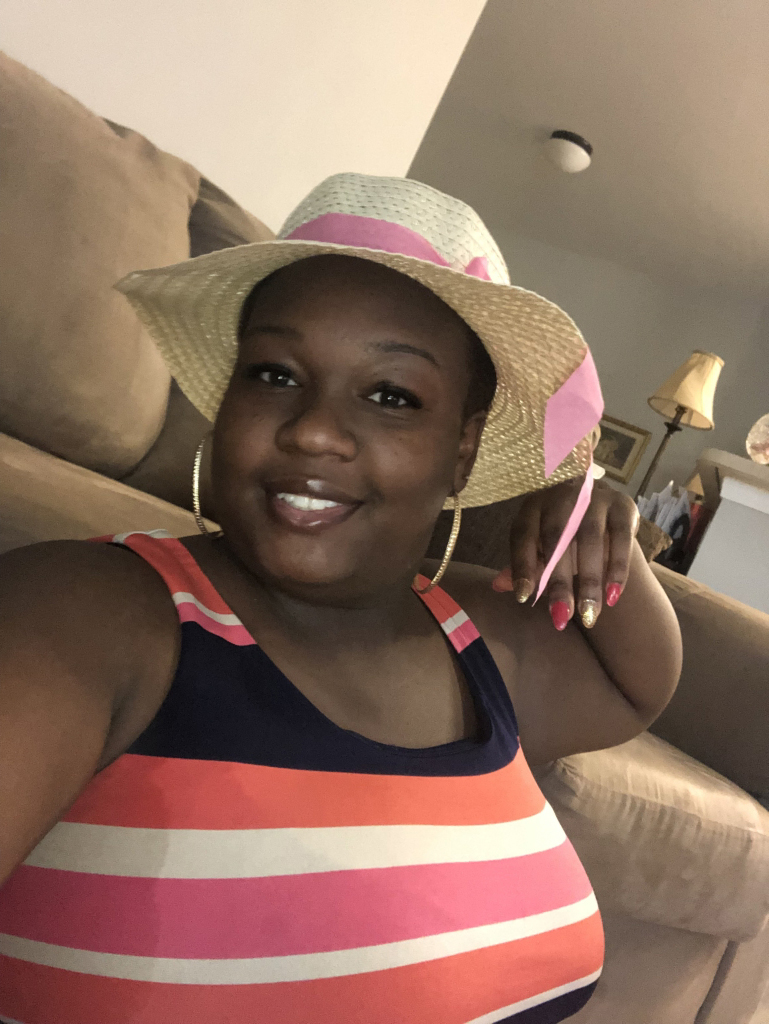
I'm the loudest girl in the room for a reason. I am the heir to Brownie Mary's legacy. I take full accountability for what I didn't know once, but I know now. I am here to amplify the voices of the minority—the LGBTQI+, the Black and Latino communities who have been disproportionately ignored and silenced in this space. I am the extra microphone for the people who are still being hushed.
My dream isn't about some corporate networking event or a handshake from a suit. My dream is a line built on legitimate health and autoimmune support—a pitch I'd love to take straight to the Godfather himself, Uncle Snoop. Snoop understands the streets and the struggle in a way these "clean" brands never will. He stood there while the whole world watched Eazy-E die of AIDS—a moment that shattered the silence of an entire industry. Snoop knows that cannabis isn't just about "vibing"—it's about mercy. It's about the people we've lost and the ones we are still trying to save.
This 4/20, recognize the debt. If you aren't honoring the ghosts and paying attention to this history, you aren't practicing medicine—you're just selling a product. While the industry has been trying to dodge a bill it's owed for decades, I'm digging up the stories of the outlaws who bled so these vultures could fly. I brought my own microphone, and I'm screaming for the people Big Pharma tried to bury and the cannabis industry tried to forget.
I'm screaming for the ghosts whose legacies deserve to be lifted. I'm screaming for patients like me who are tired of being treated like a "dirty" secret. And I'm screaming for myself, because I finally found my voice, and I'm never letting them quiet it again.
So, while you're out getting high today, make sure you light one up or throw a dab down for the ones who died fighting for our right to be here in the first place.🎙️💨🔥
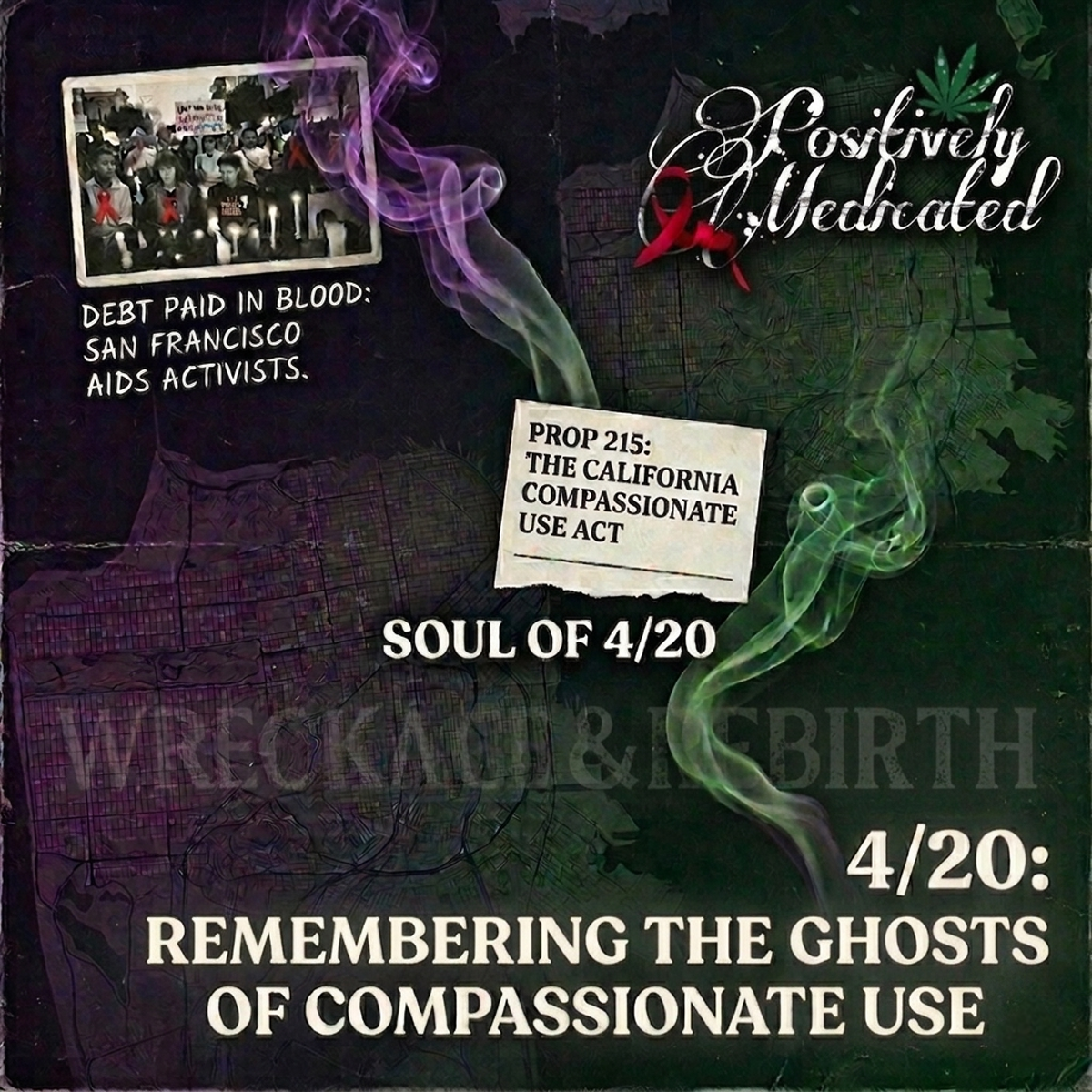
This blog was originally posted on Wreckage & Rebirth (original includes additional images)






The silence around Cannabis speaks loudest.
Interesting read. Regarding cannabis, I’ve also mostly come across its positive side, especially when it’s used responsibly and within a regulated framework. Legalisation under strict guidelines, medical supervision, and clear public awareness could actually do more good than harm, rather than leaving it in unregulated spaces.
There are a few documentaries that really brought this conversation into the mainstream and helped people see cannabis beyond stigma. For example, "Weed" challenged long-held misconceptions and highlighted its medical applications. "Grass Is Greener" explored the deep-rooted racial and political history behind cannabis prohibition while also touching on its cultural and medicinal relevance. The "Culture High" took a broader look at the global war on drugs and questioned the narratives we’ve been taught. And while not exclusively about cannabis, "Take Your Pills" sheds light on how pharmaceutical industries shape public perception around “acceptable” drugs versus those that are stigmatized.
What stands out across these is a common thread: the gap between what is known, what is allowed, and what is communicated to the public. It makes you question whether the conversation around cannabis has been guided more by science OR by systems of control and profit.
And maybe that’s the real takeaway… sometimes what we are warned against isn’t always the danger, it’s what we’re never told that deserves the deeper scrutiny.
Your comment gave me goosebumps.
You absolutely hit the nail on the head. You’re right—it has never been about the science; it has always been about systems of control and profit.
Documentaries like "Grass Is Greener" are vital because they show the scars left by a prohibition that was never about public safety—it was about targeting specific communities and keeping the marginalized in check. When we look at those narratives alongside the pharmaceutical grip mentioned in "Take Your Pills," it becomes clear: the "danger" was a marketing campaign.
That is exactly why I’m so vocal. If we don’t tell our own stories—from the perspective of those actually living with HIV and navigating this medicine—we leave the pen in the hands of the same systems that tried to erase us in the first place. Who better to expose what we’ve never been told than the ones who had to survive it?
Thank you for such a deep, thoughtful reflection. It’s a reminder that the real scrutiny should always be on who is holding the microphone.
❤️🧁🌬💨
Knowledge is Power!
Thank you so much for sharing this powerful piece, it so educative for me.
So, the saying knowledge is Power.
I really enjoy your passion!…
I really enjoy your passion! 🔥